Tourism is a major industry in India and the Ministry of Tourism launched a campaign to promote Incredible India as a tourist destination in 2002.The phrase "Incredible India" was adopted as a slogan by the ministry. Before 2002, the Indian government regularly formulated policies and prepared pamphlets and brochures for the promotion of tourism, however, it did not support tourism in a concerted fashion. However, in 2002, the tourism ministry made a conscious effort to bring in more professionalism in its attempts to promote tourism. It formulated an integrated communication strategy with the aim of promoting India as a destination of choice for the discerning traveler. The tourism ministry engaged the services of advertising and marketing firm Ogilvy & Mather (India) (O&M) to create a new campaign to increase tourist inflows into the country.
The campaign projected India as an attractive tourist destination by showcasing different aspects of Indian culture and history like yoga, spirituality, etc. The campaign was conducted globally and received appreciation from tourism industry observers and travelers alike. However, the campaign also came in for criticism from some quarters. Some observers felt that it had failed to cover several aspects of India which would have been attractive to the average tourist.
In 2009, minister of tourism, Kumari Selja unveiled plans to extend the Incredible India campaign to the domestic tourism sector as well. USD 12 million out of a total budget of USD 200 million was allocated in 2009 for the purpose of promoting domestic tourism.
In 2009, the Ministry of Tourism launched a campaign targeted at the local population to educate them regarding good behaviour and etiquette when dealing with foreign tourists. Indian actor Aamir Khan was commissioned to endorse the campaign which was titled 'Atiti Devo Bhava', Sanskrit for 'Guests are like God'. Atithi Devo Bhava aimed at creating awareness about the effects of tourism and sensitizing the local population about preservation of India's heritage, culture, cleanliness and hospitality. It also attempted to re-instil a sense of responsibility towards tourists and re-enforce the confidence of foreign tourists towards India as a preferred holiday destination. The concept was designed to complement the ‘Incredible India’ Campaign.

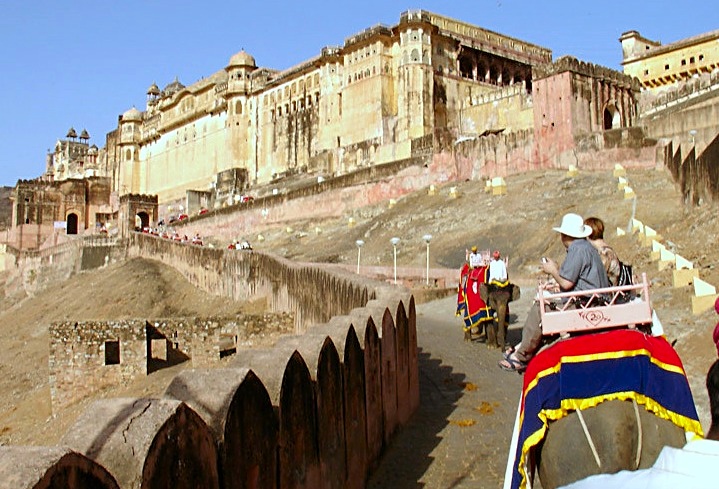
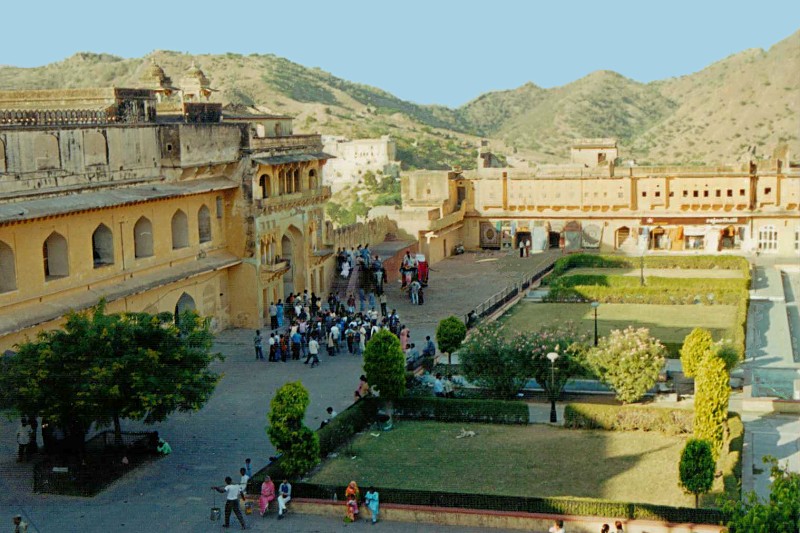
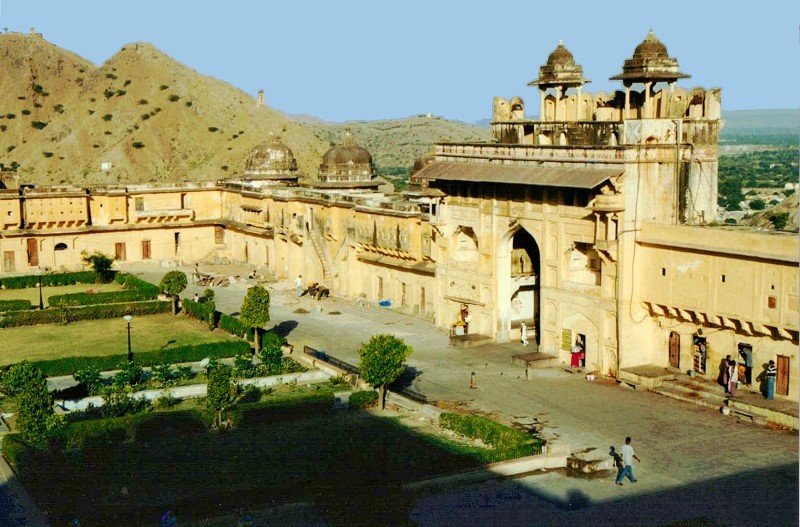
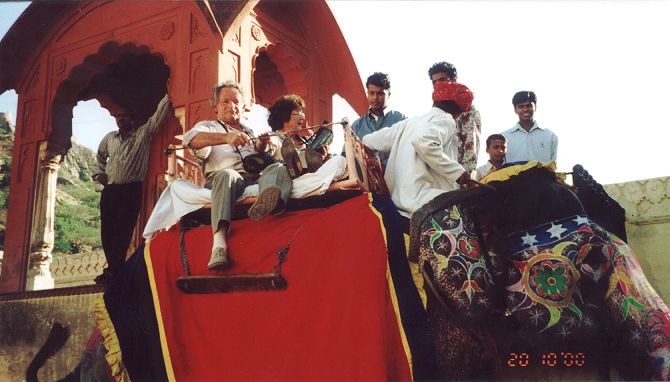
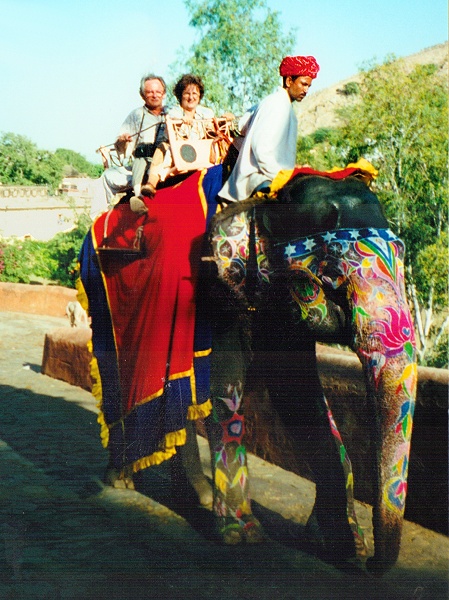 ride to the Amber Fort